
2025 in Rewind (September–December)
2025 in Rewind (September–December)
If May to August was about building the foundation, then September to December was about what happens when the foundation meets the real world.
Ideas started meeting reality.
Questions started demanding answers.
And some things I thought I understood — I had to relearn from scratch.
When Reality Slows You Down (In a Good Way)
I'll be honest: I went into this phase expecting speed.
The startup playbook everyone talks about is seductive in its simplicity: build fast, ship fast, fail fast, iterate. And after the energy of the agri shows, I thought we were close to a real launch.
But the conversations I had at those shows changed something.
Talking directly to farmers and equipment owners gave us a much clearer picture of the real problem — and more importantly, the real friction people experience on the ground. Access, trust, logistics, informal payment habits, coordination between strangers — the system is far more layered than any pitch deck captures.
Development slowed.
Partly because the problem deserved deeper thinking.
Partly because the long holiday was over and school had resumed, which meant time became scarce in ways I'd forgotten about.
But slowing down wasn't failure. It was adjustment.
September: Back to the Field
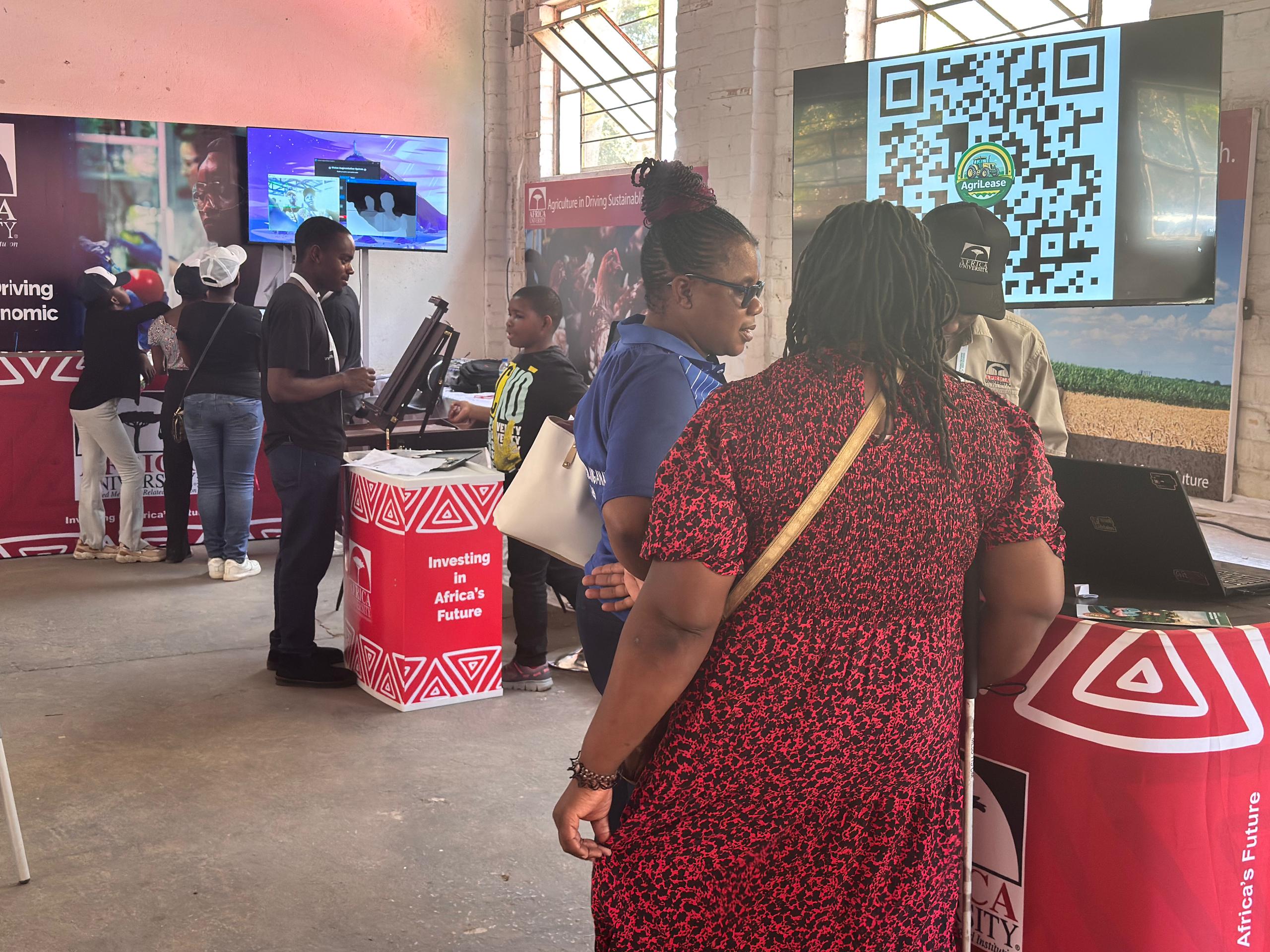
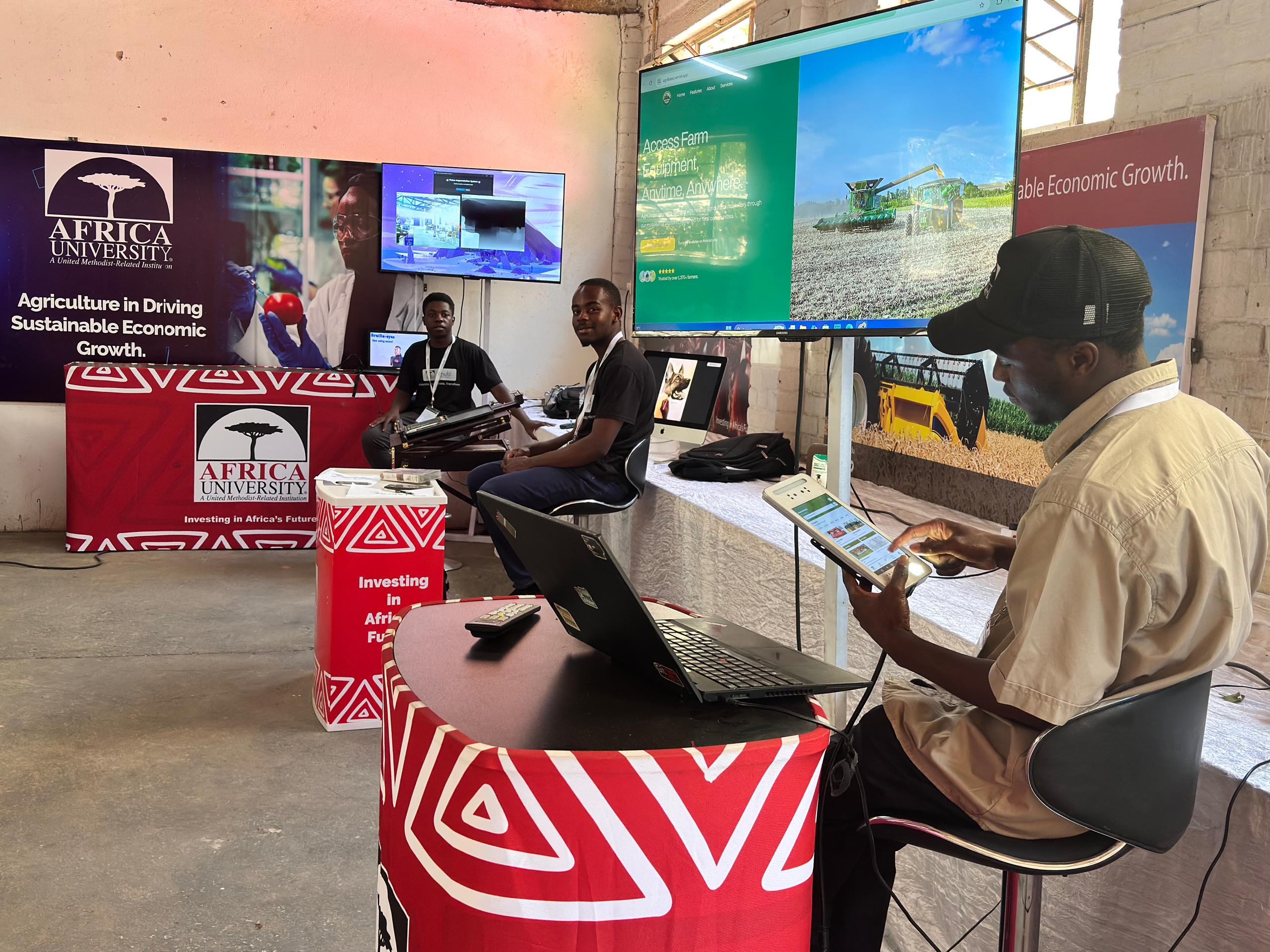
The month opened with the Manicaland Agricultural Show on September 19th and 20th. After Harare, this felt familiar but no less meaningful — another chance to put AgriLease in front of people who would actually use it, to listen, and to keep refining our understanding of the problem.
Then on September 21st, it was my mom's birthday.
Instead of buying something ordinary, I decided to build something. I stayed up until 3am building her a website — trying to make it perfect before the day began. It was a small project by any objective measure, but one of the most personal things I built all year. Some of the best work you do isn't for a competition or a deadline. It's for someone you love.
Late September: TAG-DEV and the Road to the Challenge
Towards the end of September, a new opportunity came onto the radar.
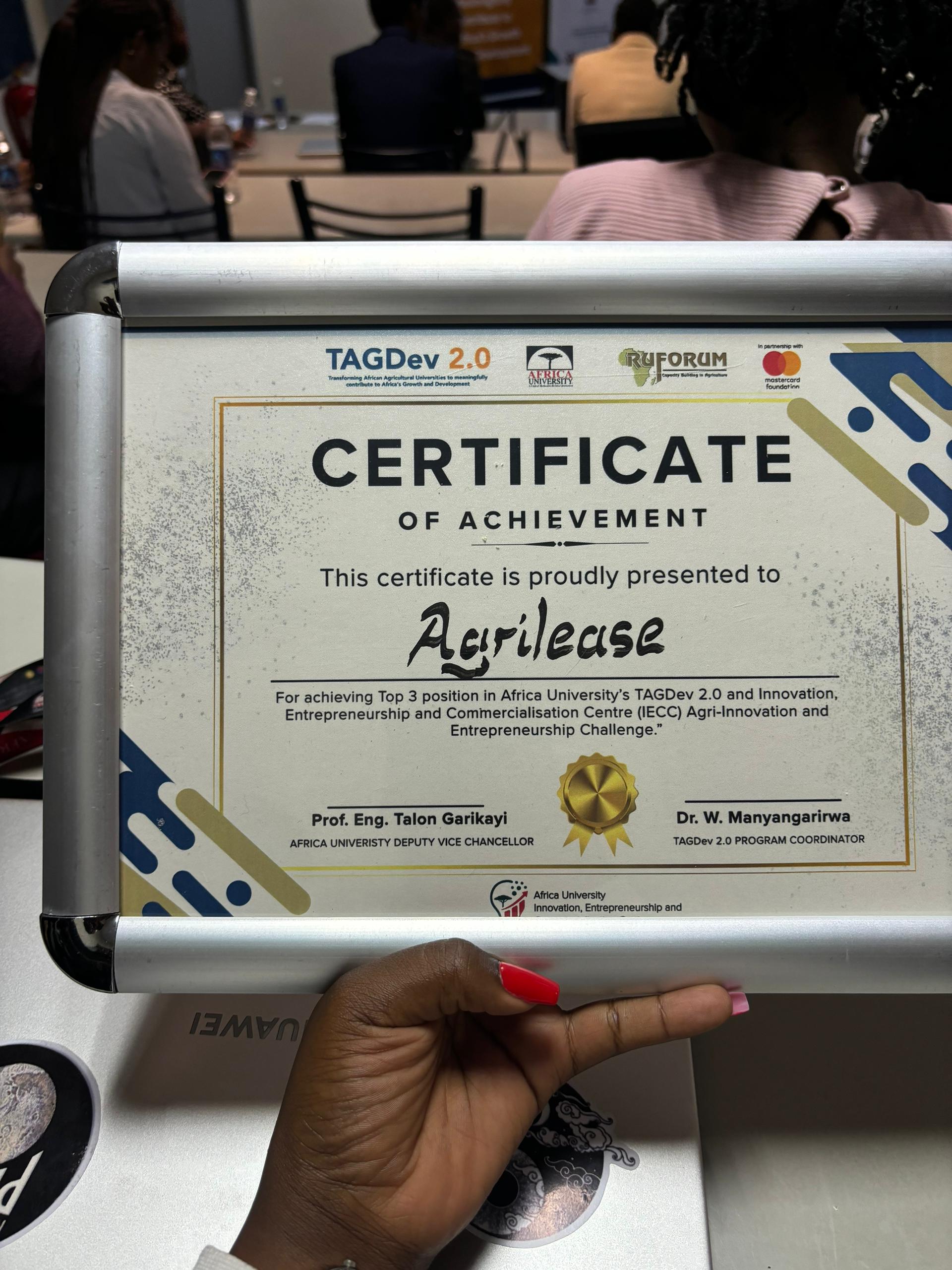
Africa University launched the TAG-DEV Agri-Innovation & Entrepreneurship Challenge — a structured program designed to support student entrepreneurs working in the agricultural space. The final pitch competition was set for November 5th, so from late September through October, there was a steady rhythm of webinars, workshops, and training sessions running in the background of everything else.
These weren't the kind of events I would've prioritised earlier in the year — but I was learning that building something real means thinking about a lot more than the code:
- How do you pitch clearly to people who aren't technical?
- How do you protect what you've built through intellectual property?
- How do you build something that makes commercial sense, not just technical sense?
Different kind of learning. Equally important.
October: A Month That Didn't Slow Down
October hit the ground running.
October 1st — I co-led a GDG (Google Developer Groups) event on campus. Coordinating, facilitating, and presenting in front of peers is a different muscle from writing code alone, and one worth developing.
The very next day, October 2nd, we were on the road to Harare for an educational trip. We visited:
- University of Zimbabwe – ZPH
- ZINGSA (Zimbabwe National Geospatial and Space Agency)
- ZCHPC (Zimbabwe Centre for High Performance Computing)
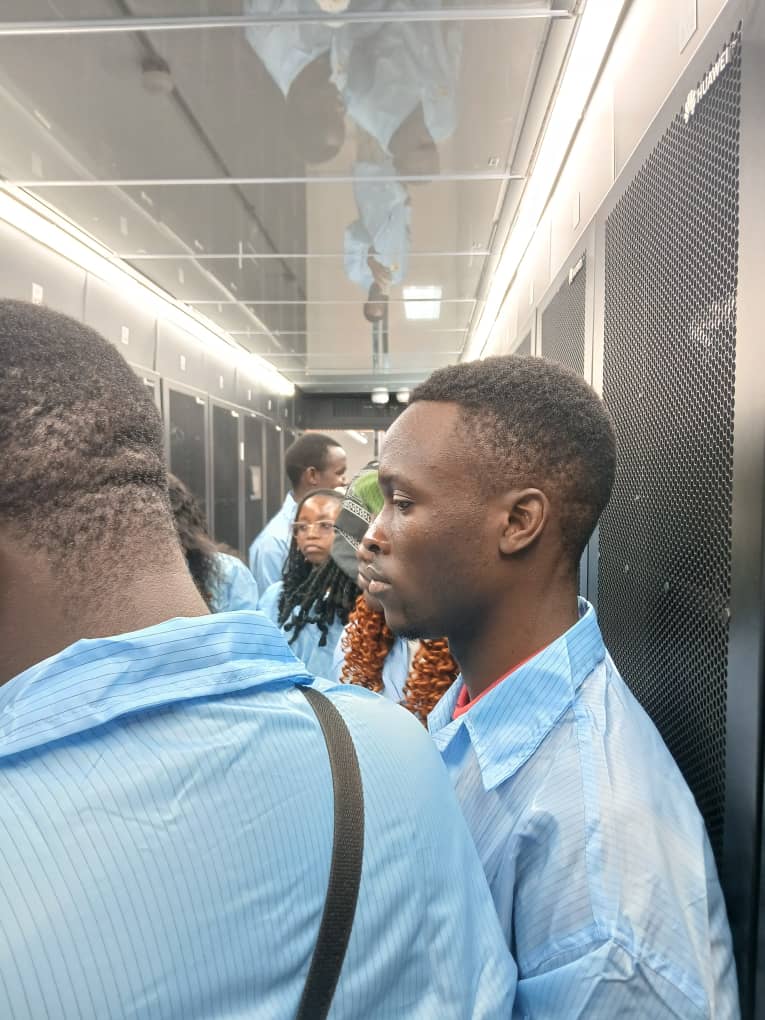
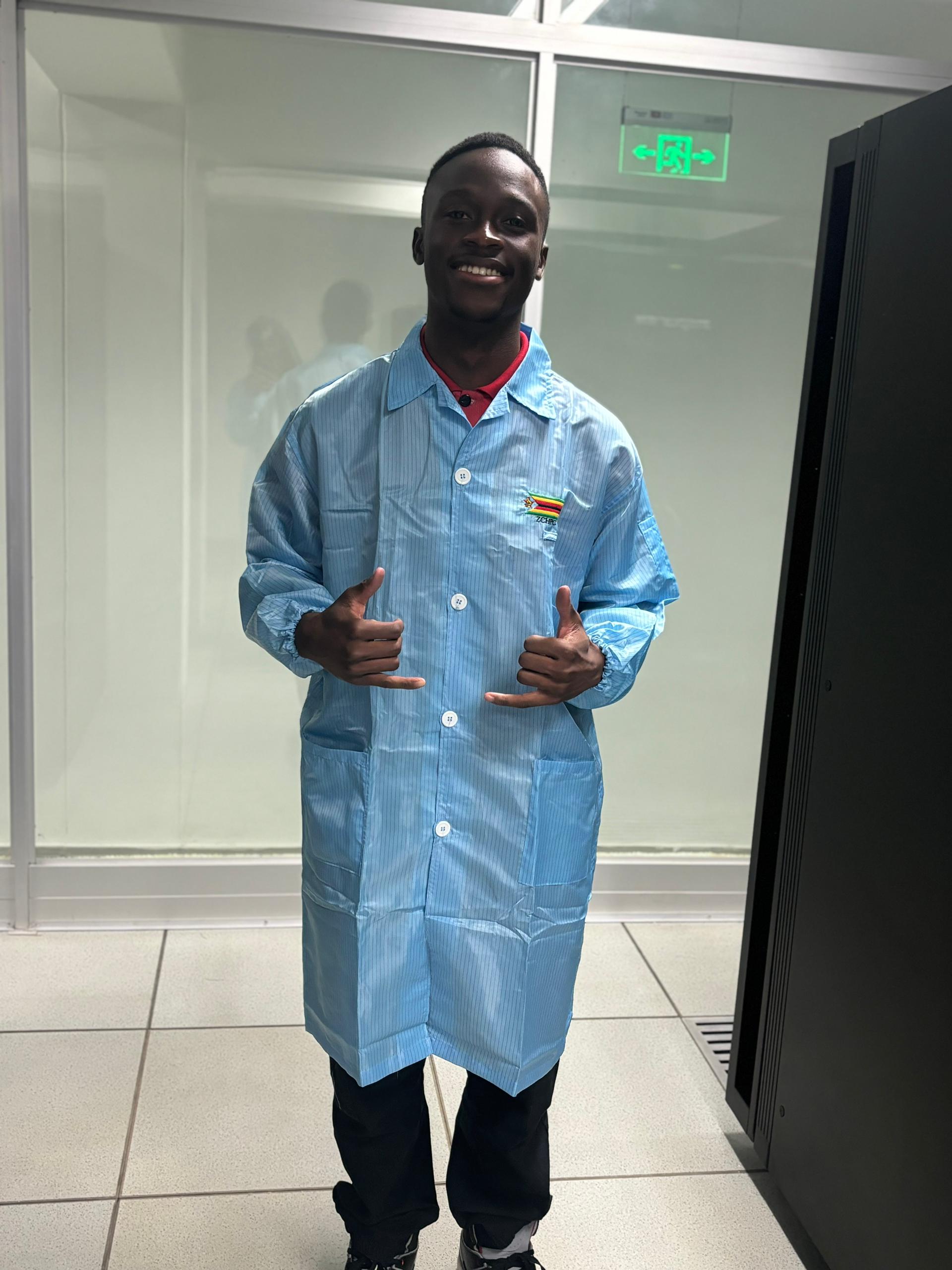
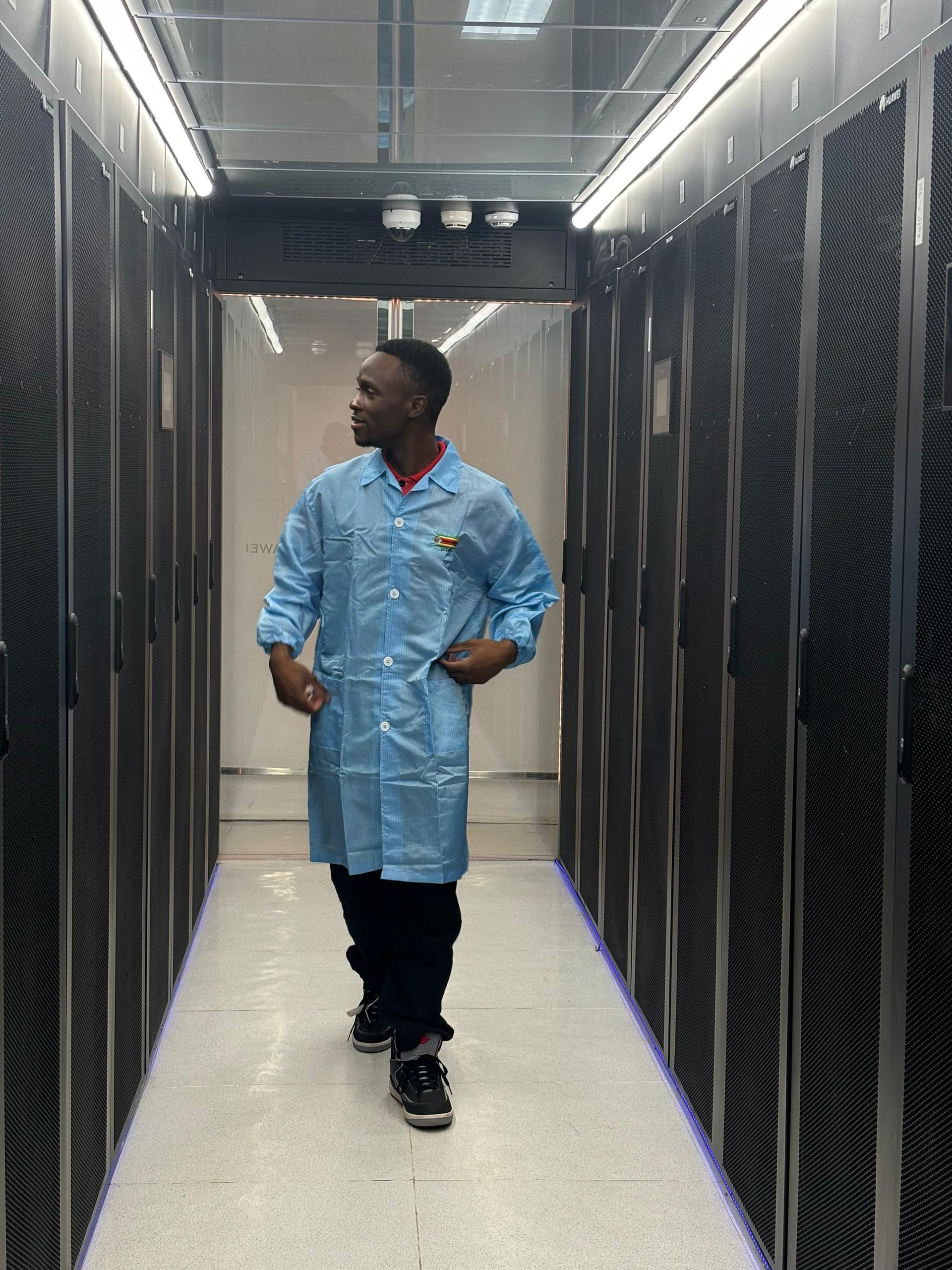
Seeing research infrastructure and computing environments that most students only read about in textbooks — it opened something up. It's one thing to know these institutions exist. It's another to walk through them.
The TAG-DEV programme continued through the month:
- October 8 — TAG-DEV workshop
- October 9 — TAG-DEV bootcamp for the Agri-Innovation Challenge
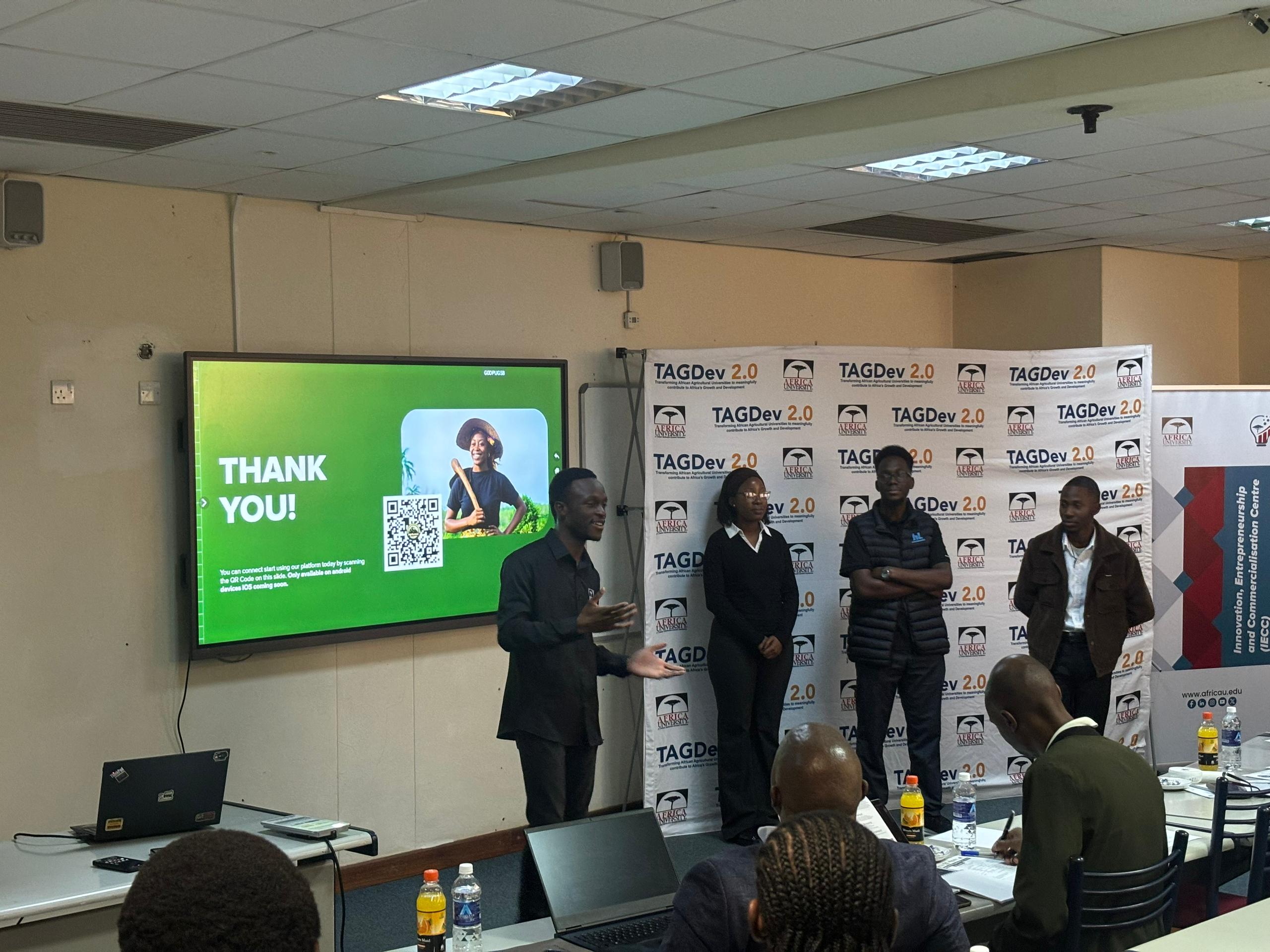
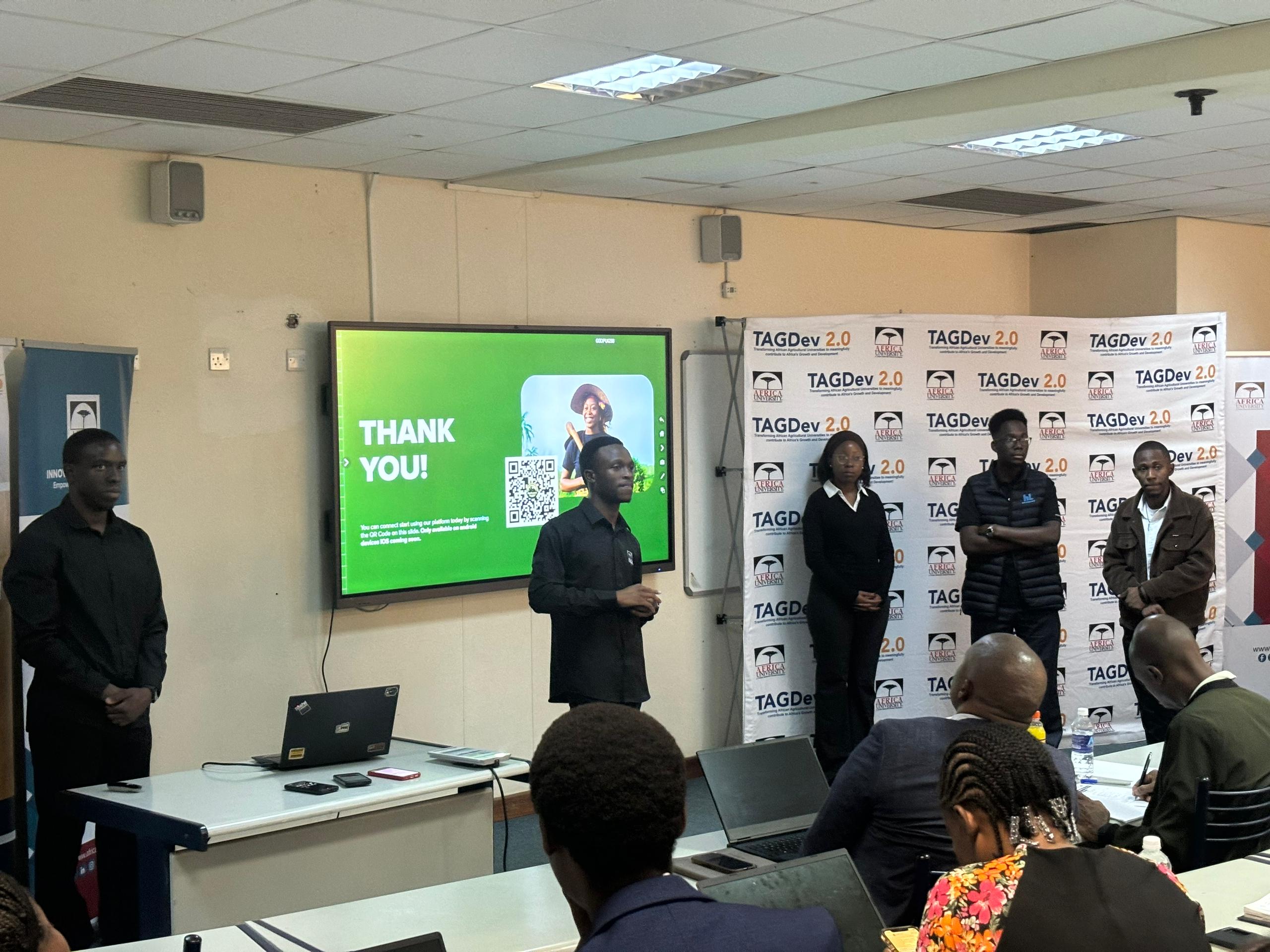
- October 10 — Another workshop, this one focused on pitching and IP rights
This session stood out. ZimTrade and Munyaradzi Shadhaya came in as guest speakers, and the conversation around commercialisation, market entry, and protecting innovation was exactly the kind of perspective I didn't know I was missing.
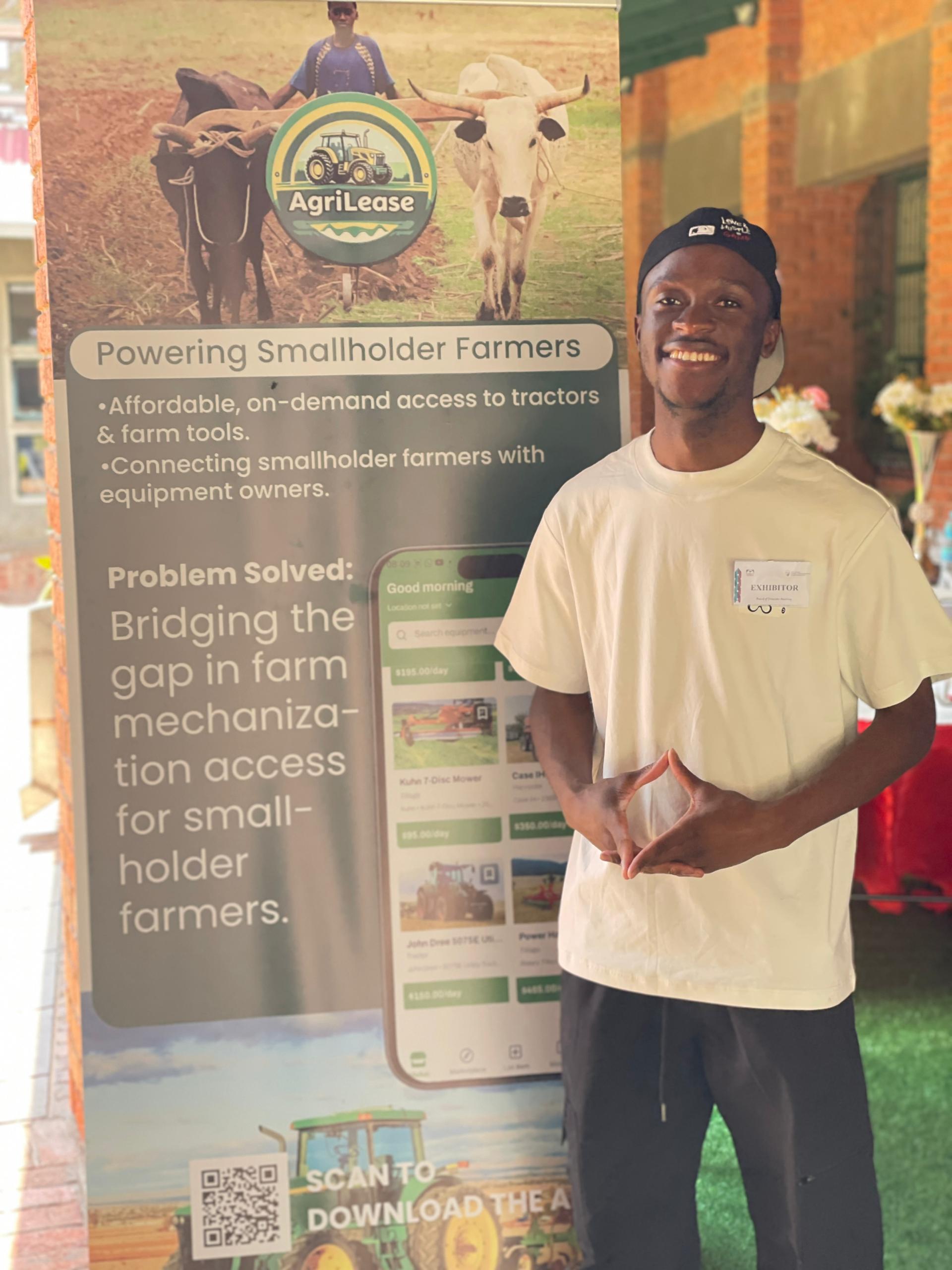
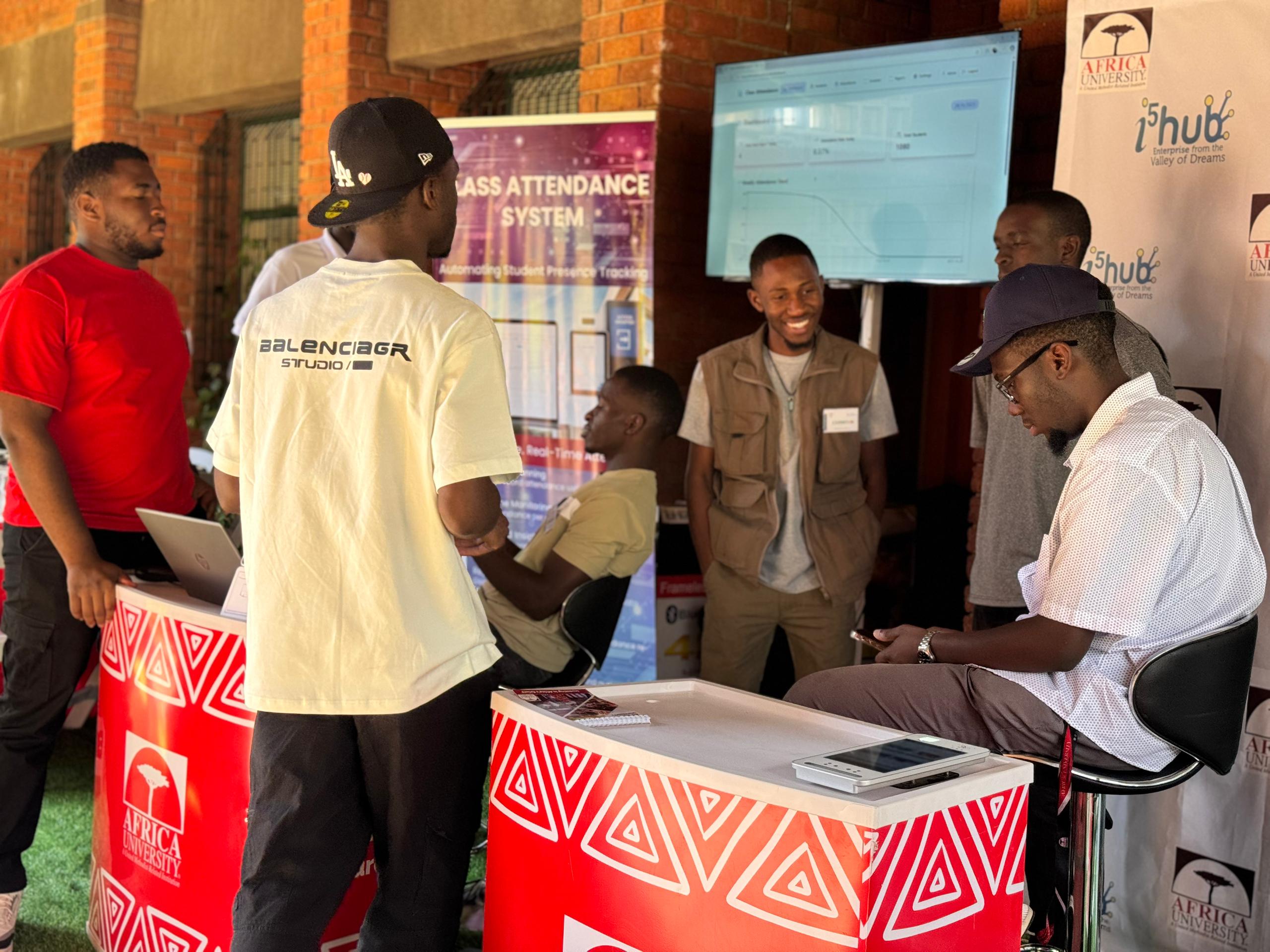
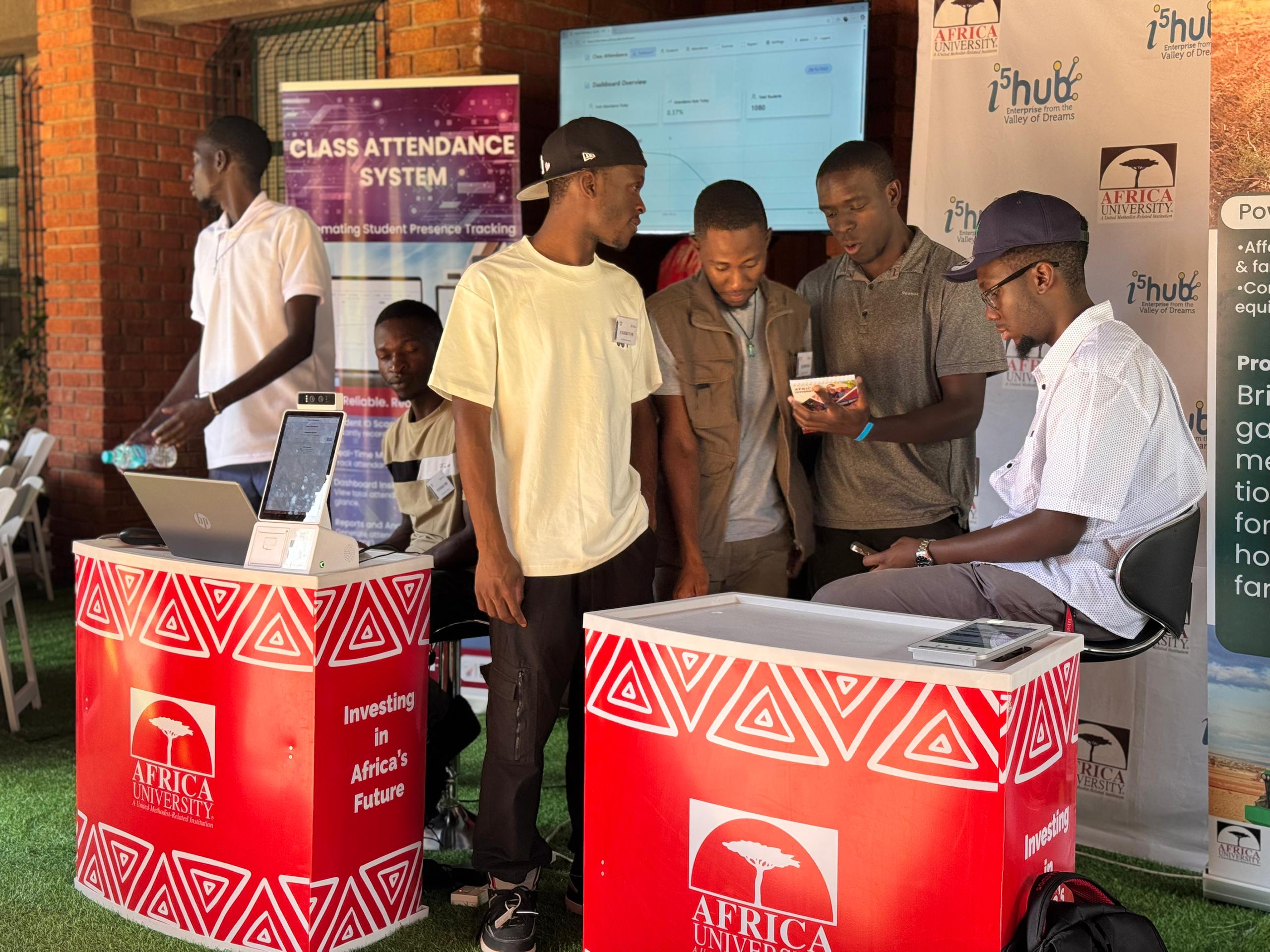
Later in the month, Africa University's board members visited campus. We were asked to exhibit AgriLease to them — yet another reminder that this project was no longer just a student experiment. It was being taken seriously by people with institutional weight, and that came with its own kind of pressure.
November 5th: We Wiped the Floor
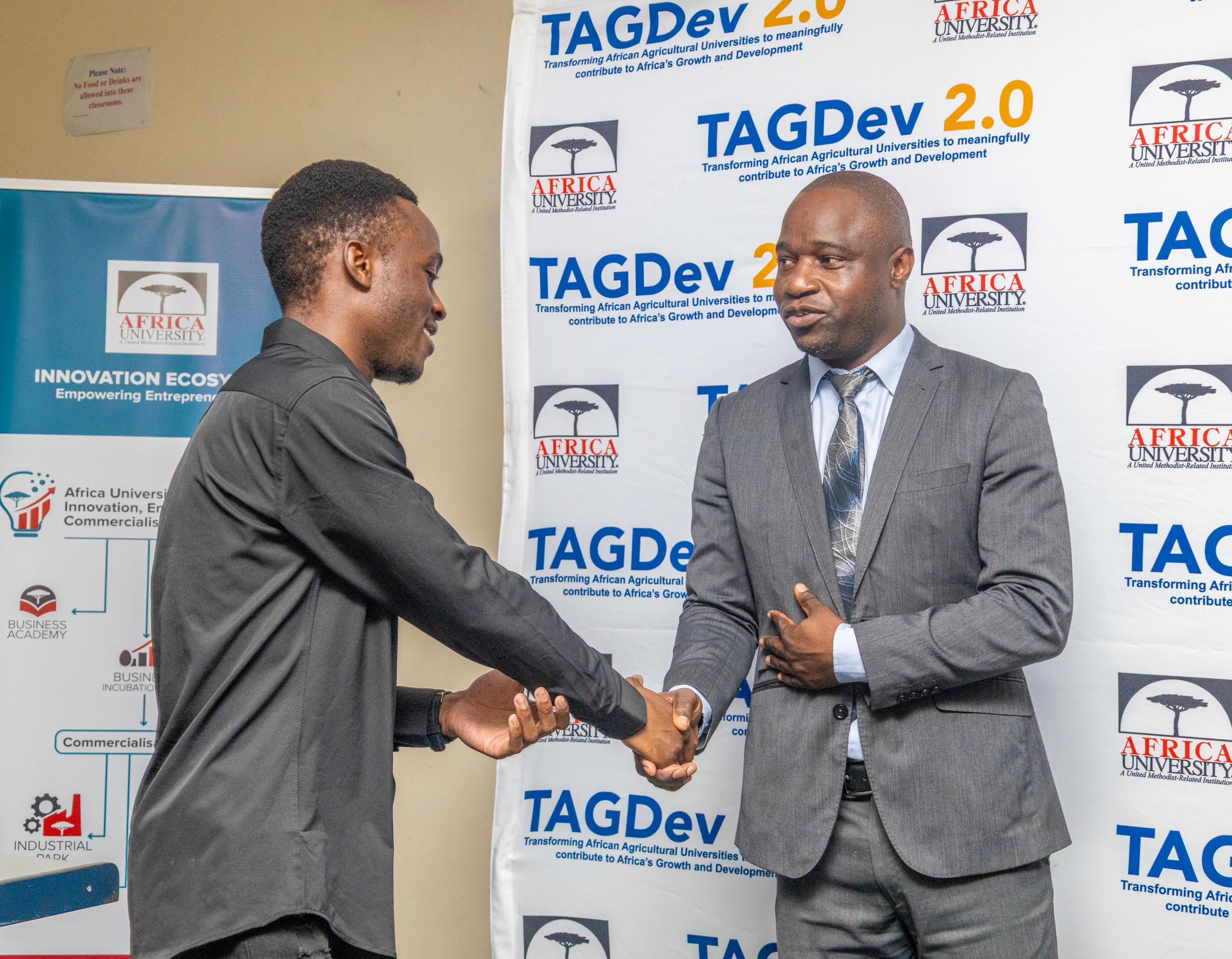
The TAG-DEV pitch competition arrived.
We presented AgriLease.
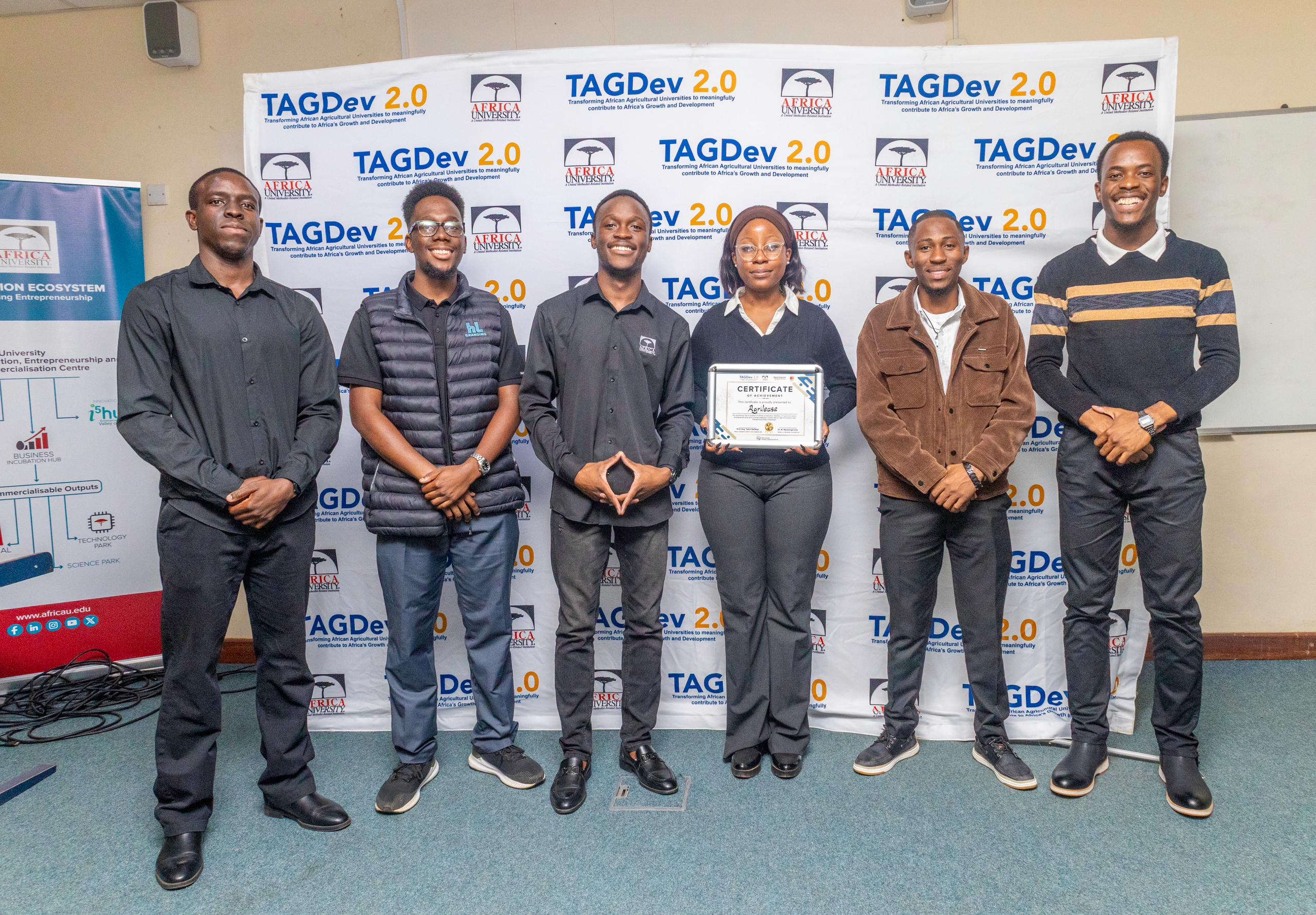
And we won — first place, and $5,000 in funding for the project.
It was one of those moments where months of quiet, unglamorous work suddenly become visible. All the workshops, the feedback sessions, the late nights thinking about the problem — it compressed into a single afternoon and paid off.
But the celebration was short-lived.
Because right after that, the rest of November came crashing back in.
The Smart Student Identification System
While TAG-DEV was unfolding, I was simultaneously leading a group project for school.
We were building a Smart Student Identification System: students scan their student ID QR code, then verify their identity through facial recognition before access is granted. I was the lead developer.
The biggest technical challenge of the whole project turned out to be the facial recognition implementation.
My first attempt was TensorFlow. It refused. The version conflicts between TensorFlow, React Native, and our Expo setup made it practically impossible to get running in time.
So I pivoted.
I found Face++ API, integrated it, and —
It worked like magic.
Once that piece clicked into place, the rest of the system came together. The QR scanning, the verification flow, the access control logic — all of it started working the way it was supposed to.
We presented on November 14th.

Then exams began.
And that was that for the semester.
December: A Different Kind of Rest
After exams, I went back home.
This time, instead of building apps around the clock, I spent time helping my mom with her kitchen restaurant. No standups. No PRs. No architecture discussions. Just showing up, being useful, and being present.
It was grounding in a way that nothing else from the year had been.
Christmas came. Then a crossover service at church where we prayed and welcomed what was ahead.
And just like that, 2025 was over.
Closing the Year
Looking back, the last quarter wasn't about speed. It was about responsibility.
AgriLease moved from an exciting project to something with real backing and real expectations. A school project demanded technical leadership in unfamiliar territory. Competitions, workshops, and institutional exhibits forced me to think beyond code and into the broader ecosystem around innovation.
I ended the year tired — but aligned.
Not everything was finished.
But the direction was clear.
And that felt like the right kind of progress.
Looking Forward
If 2025 had a theme, it would be this:
Start curious. Build deliberately. Commit intentionally.
The year began with questions.
It ended with direction.
And I entered 2026 with faith, clarity, and a lot more work ahead.