
2025 in Rewind (May–August)
2025 in Rewind (May–August)
If the first part of 2025 was about asking "what if?", then May to August was about asking a much harder question:
"Okay… how do we actually build this?"
Coming off the hackathon wins earlier in the year, there was a lot of excitement — and honestly, a bit of pressure. Winning ideas is intoxicating. But somewhere between the applause and the group photos, reality kicks in: ideas don't scale themselves.
This phase of the year forced me to slow down.
Not because I lost momentum, but because I realized that speed without direction is just noise.
The Holiday That Wasn't Really a Holiday
May kicked off with the long holiday after finishing second year. I was back home — and for the first time in a while, life had some breathing room.
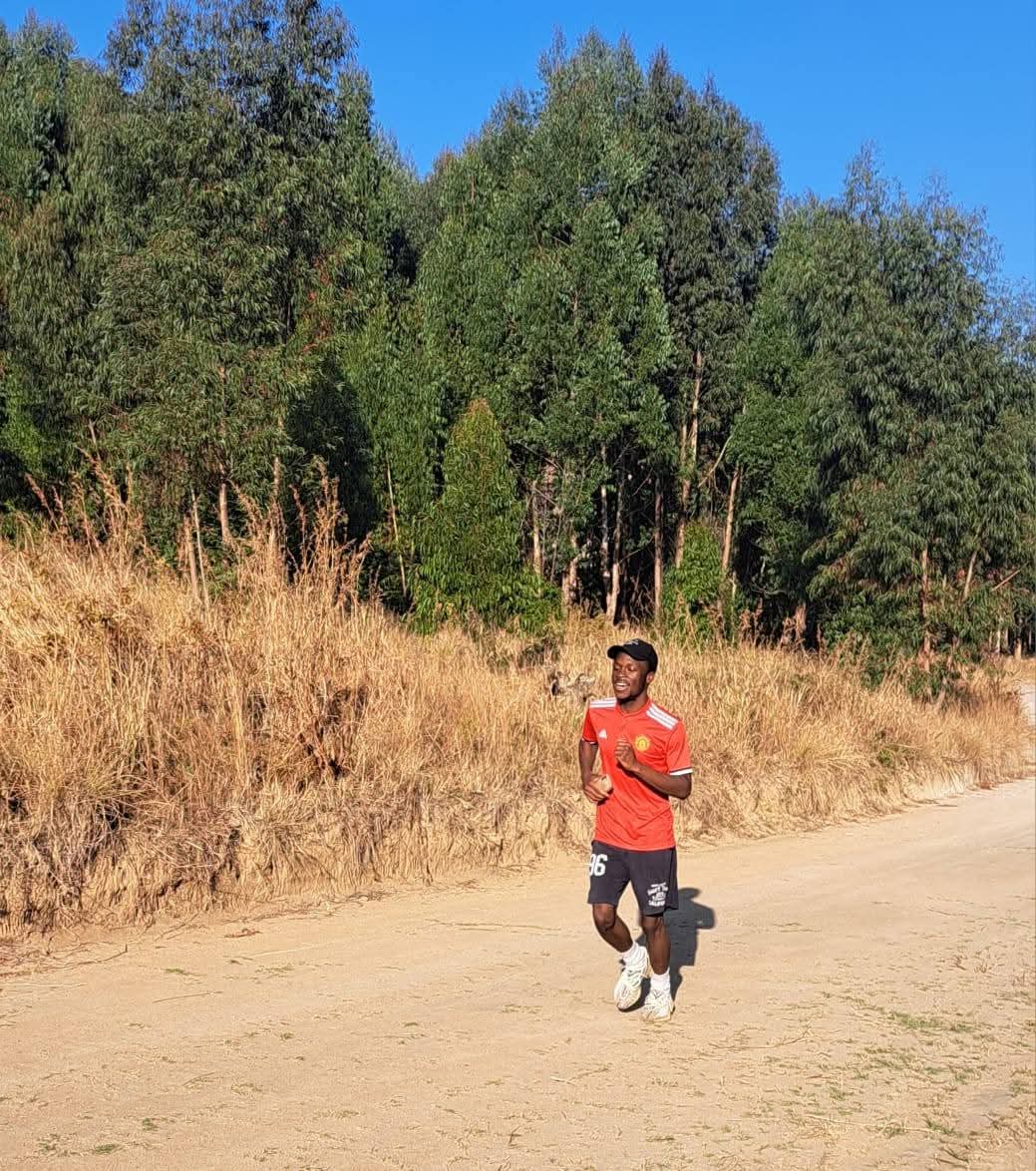
Lacing up for a 5km reset with Mom.
I joined parkrun with my mom. If you don't know parkrun, it's a free, weekly 5km run that happens every Saturday morning. I went in skeptical. I came out converted. There's something about getting up at 6am, lacing up, and just running — no deadlines, no Slack messages, no PRs to review — that resets you in ways nothing else does.
I actually enjoyed running. That surprised me.
I also led some Bible studies at church. Slowing down enough to prepare, to think deeply about scripture, to sit with people and discuss things that mattered — it reminded me why I care about building things that actually help people. That thread runs through everything I do, even if I don't always say it out loud.
It felt like a good kind of rest. The sort that doesn't waste time, but refills it.
The Message That Started Everything
But right at the end of April, something big had already happened: we formed Proxyon Technologies — the startup that would become the shell for everything we were building. It was official now. Not just an idea, not just a hackathon project. A company.
And then, almost immediately, the company was tested.
I was preparing to travel back home when I received a message that stopped me mid-pack:
A prototype for AgriLease needed to be ready by May 7th for the Presidential Awards.
- I arrived home on May 4th.
- I started building on May 5th.
- By May 6th, I had submitted.
It was a React Native frontend running on mock data — no real backend, no database, no payment layer. But it worked. It looked real. And it was done.
AgriLease Frontend Demo – Presidential Awards
That sprint taught me something about myself: I operate well under pressure, but I operate better when the pressure has a purpose. This wasn't stress for the sake of stress — this was a deadline that mattered, for something I believed in.
From Hackathon Energy to Real-World Thinking
After hitting that deadline, I didn't stop.
I called in the same crew — the friends from the hackathon, the same people who were now co-founders at Proxyon — and we got to work, properly this time. Backend. Architecture. Database design. Real decisions about how this thing would actually function. Not a demo. Not a prototype. Something that could eventually live in a farmer's hands.
AgriLease stopped being "that agritech idea we pitched" and started becoming something heavier — something real. I began looking at it less like a project and more like a responsibility.
I spent a lot of time thinking about:
- Who exactly are we building for?
- What problem actually hurts the most right now?
- **What can realistically work in a Zimbabwean context?
This is where romantic ideas meet constraints. Limited access. Infrastructure gaps. Trust issues. Adoption friction. Payment realities. None of these show up on pitch decks early — but they decide whether your product survives.
The Uncomfortable Middle
May to August wasn't flashy. There were no prizes. No big announcements. No clear milestones to celebrate publicly. Just long stretches of thinking, rewriting, discarding, and rethinking again.
I learned quickly that:
- Not every feature deserves to be built first
- Some "cool" ideas are distractions in disguise
- Constraints aren't blockers — they're design inputs
This phase demanded discipline more than creativity. It also exposed how much leadership has nothing to do with writing code.
June: A New Phone and a New Door
Late June brought one small upgrade that made a surprisingly big difference — I got a new phone.
I know that sounds trivial. But when you're trying to test push notifications, real-time messaging, and background processes on a device that freezes halfway through a demo, hardware matters. The new phone made testing significantly smoother, and honestly gave the development phase a second wind.
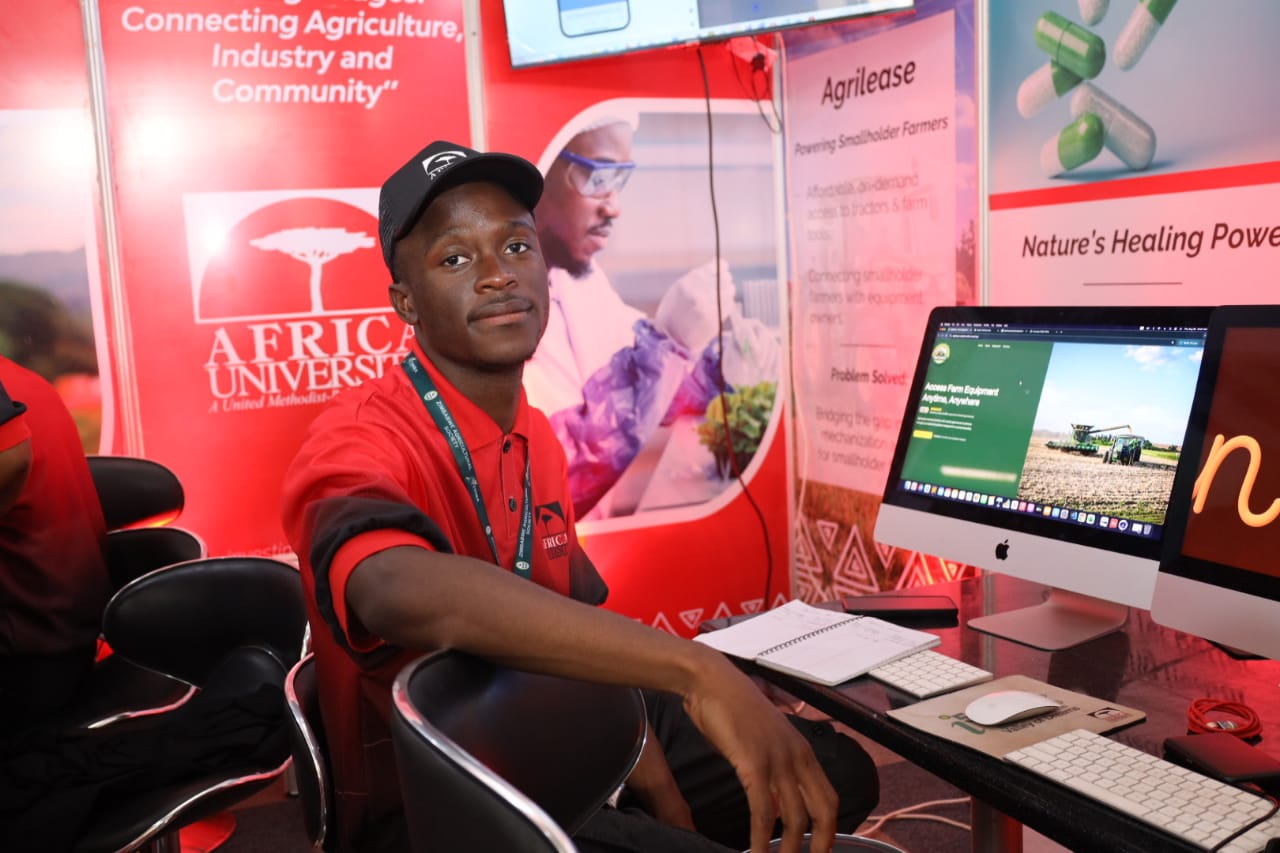
Around the same time, an opportunity landed in our inbox. Africa University was participating in the 2025 Harare and Manicaland Agricultural Shows, and they were inviting innovators to exhibit working prototypes.
We applied with AgriLease. We got accepted.
July: Birthday Season, Still Building
July was a bit more settled. Development continued — less frantic, more methodical. It was also my birthday month, which meant some good food, some good company, and a brief but necessary pause from staring at code. Celebrated with people I love. Came back recharged.
The agricultural show was now on the calendar: August 27th, Harare.
Learning to Lead (Quietly)
Somewhere in these months, my self-image started shifting. I began the year thinking mostly like a developer: "How do I build this?"
By August, my questions sounded more like:
"Should this even be built right now?"
That shift didn't come from confidence — it came from friction. From tough conversations. From trade-offs. From realizing that every technical decision has social, financial, and operational consequences.
Leadership, I learned, often looks like slowing things down so they don't fall apart later.
Building for Context, Not Ideals
One of the biggest lessons from this period was understanding that building for Africa requires more than ambition. It requires empathy.
You can't copy-paste solutions and expect them to work. You have to design for reality:
- Trust before scale
- Access before polish
- Reliability before innovation
This mindset reshaped how I evaluate ideas — not by how impressive they sound, but by how usable they are on the ground.
August: Back to School, Then Back to the Field
August arrived and it was time to return to Mutare. Being back at school meant reuniting with friends and lecturers I hadn't seen in months.
It was also my first time living off campus. Finding accommodation, managing a space that was entirely mine — it was a small but real step in independence. Adulthood arriving in its quiet, logistical way.
The Agricultural Show
August 27th. Harare.
I'll be honest — stepping into the agricultural show, I almost forgot what I was there for. The scale of it, the energy, the variety of people — it was overwhelming. Farmers. Government officials. Researchers. All in one place.
Then I remembered: I had something to show them.
Hover or tap on the pictures below to bring a photo to the front.
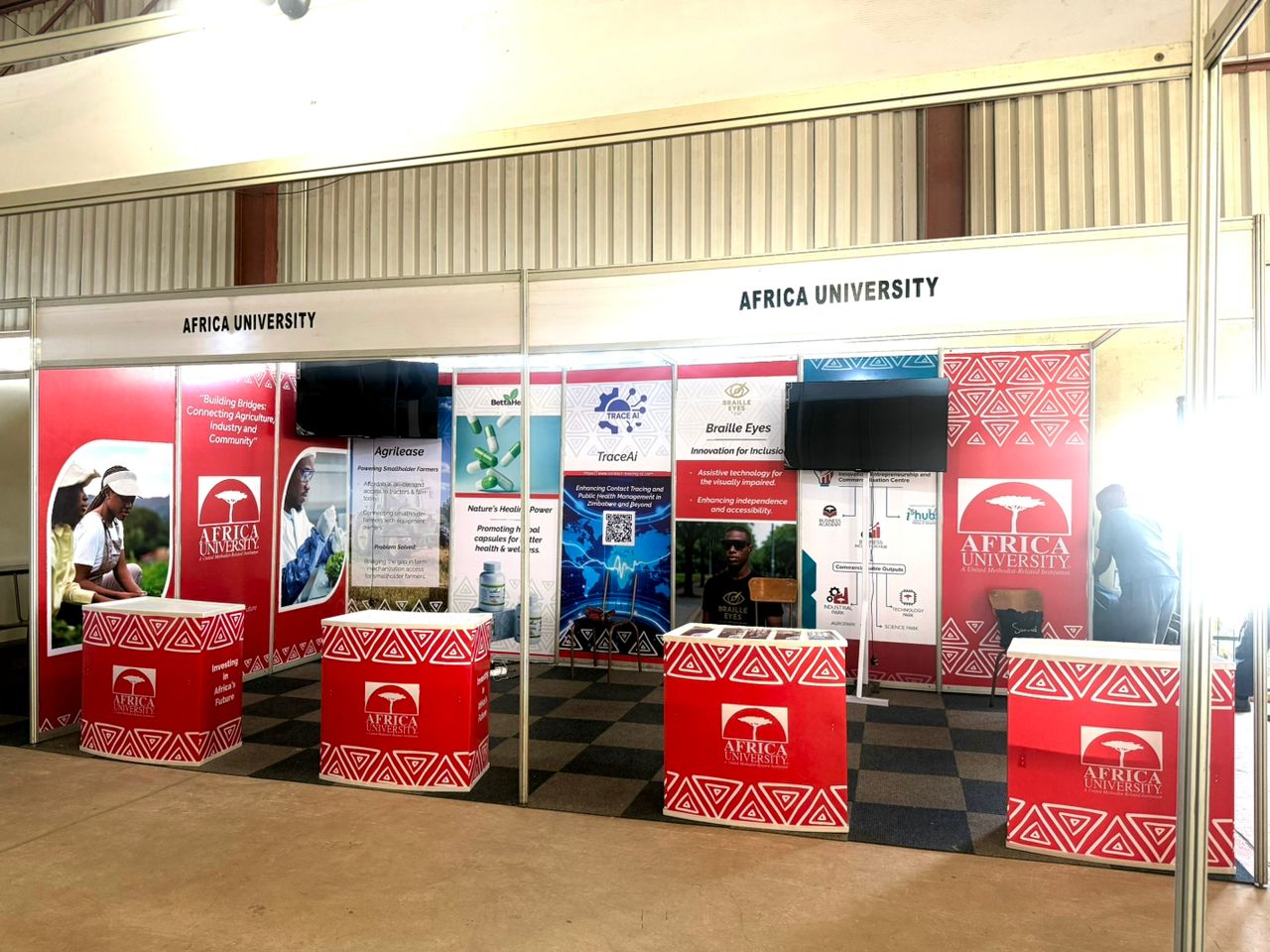
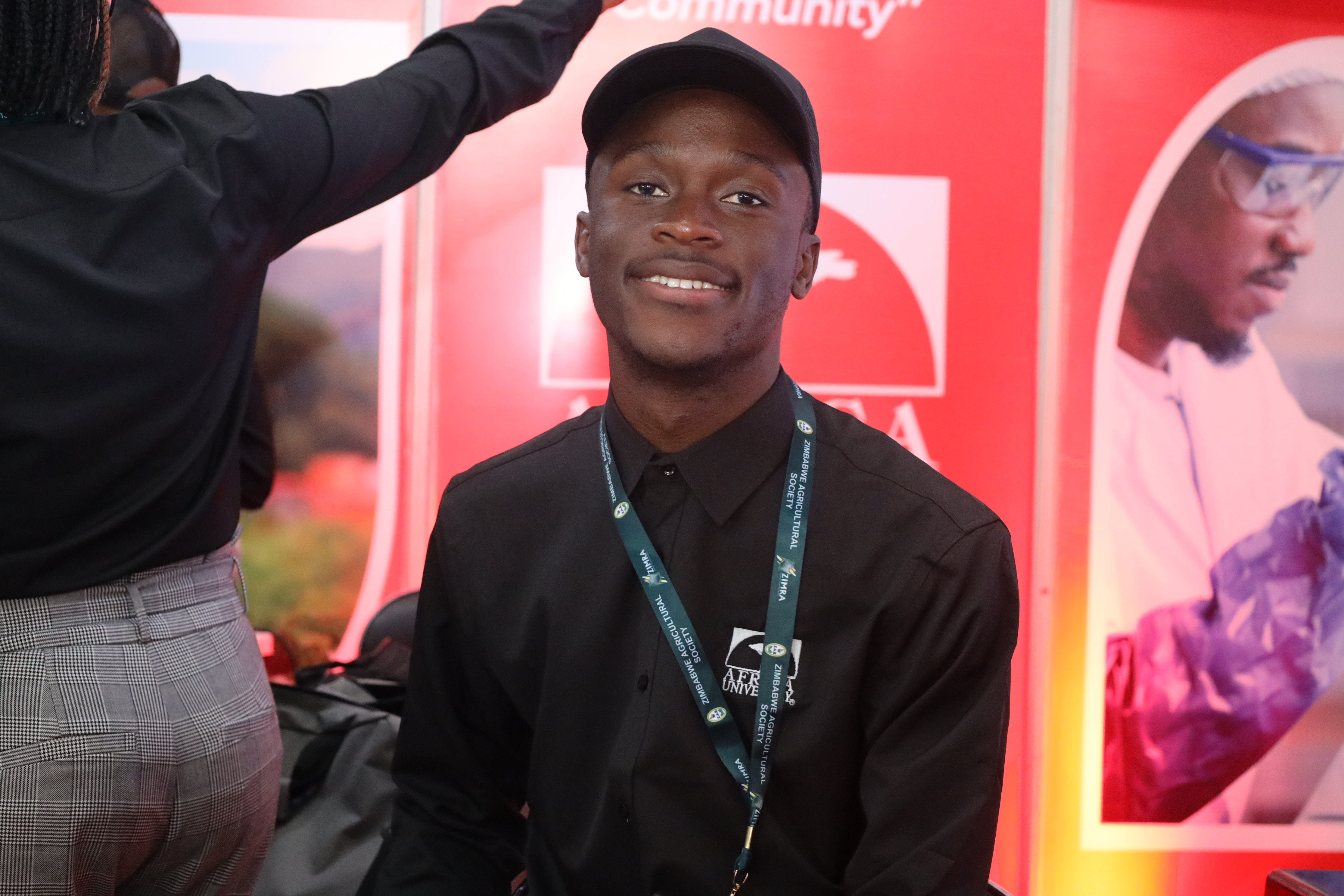
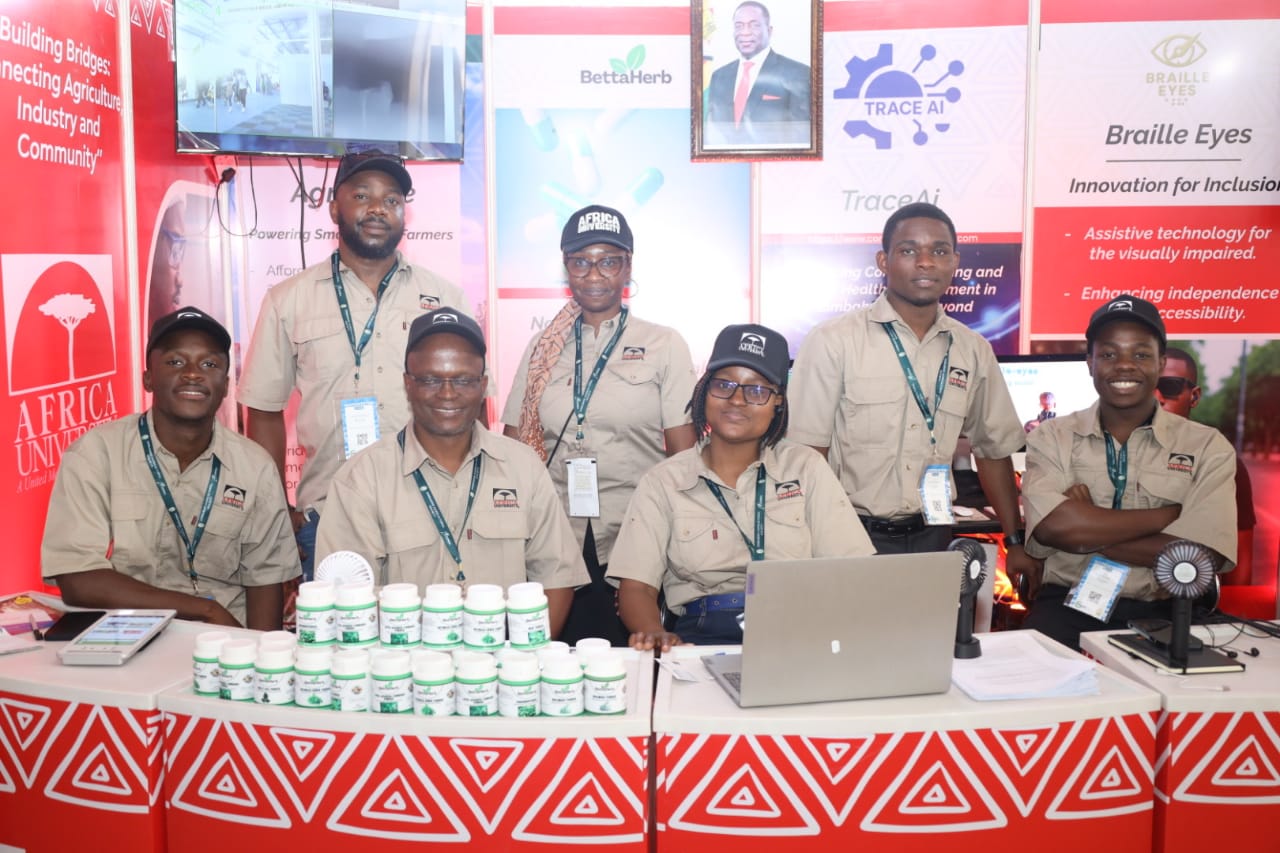
The app was running. Fully functional — bookings, listings, profiles, GPS integration, the whole flow. I demoed AgriLease to almost every farmer who came by Africa University's booth. I watched their faces. The feedback was overwhelmingly positive.
I didn't stop there. I walked over to equipment companies' booths, introduced myself, and pitched the platform. That day confirmed something important: the problem is real, the solution resonates, and the market is ready.
Foundations Over Momentum
Looking back, May to August was about foundations.
- A deadline that forced a prototype into existence.
- A summer that turned that prototype into a product.
- A show that put the product in front of its people.
It wasn't about moving fast. It was about moving right.
The next chapter — September to December — is where things begin to converge.